By Stephanie Florin, LMT
Why Your Breathing Matters More Than You Think
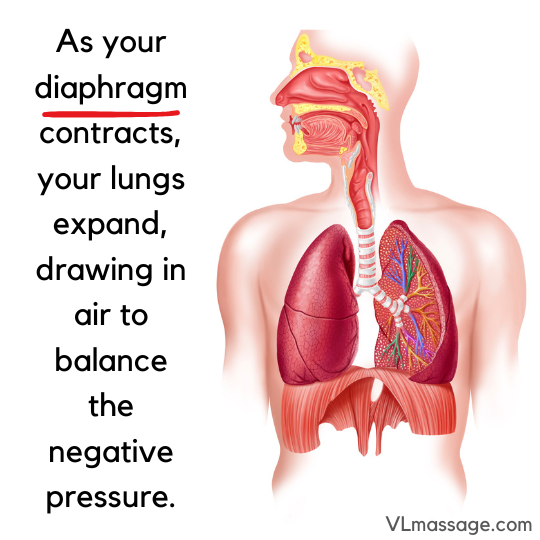
Breathing is something we do automatically, but are you doing it efficiently? If you experience tension, fatigue, or struggle with core stability, chances are your breathing mechanics are working against you. Proper diaphragmatic breathing is the foundation for strength, endurance, and even pelvic floor function.
Let’s break it down the right way—so you can breathe with intention and power.
How to Breathe Like Your Body Was Designed To
Your diaphragm is a muscle, and just like any other muscle, it needs proper training to function at full capacity. Most people only use a fraction of their diaphragm’s potential, relying on shallow chest breathing, which limits oxygen intake and reduces core engagement.
Here’s how to retrain your breath:
#1 - Inhale with Purpose
-
Sharp inhale through your nose—as if you’re about to blow out birthday candles. No slow, passive breathing—this is controlled and intentional.
-
You should feel your quadratus lumborum (QLs) contract. These muscles assist the diaphragm when it’s working at 90% contraction, providing the last 10% of support for full engagement.
-
Expand your ribs, let your belly fill, and feel your entire core brace as your diaphragm fully engages.
#2 - Hold the Breath
#3 - Slow, Controlled Exhale
-
Release through pursed lips, keeping it steady and controlled—don’t dump the air all at once.
-
Imagine pressing the air out like deflating a tire—smooth and gradual.
#4 - Hold Empty for a Moment
Key Reminder: Do NOT cheat by lifting your chest or shoulders—this is a deep, core-driven breath, not a shallow stress-induced gasp.
Repeat for 3-4 rounds—this isn’t just breathing; this is training. Your diaphragm should be working for you, not against you.
If you get lightheaded, you are venting off too much carbon dioxide (C02). This changes your blood chemistry, leaving you in a state similar to hyperventilation. Slow down your exhale!
What This Type of Breathing Fixes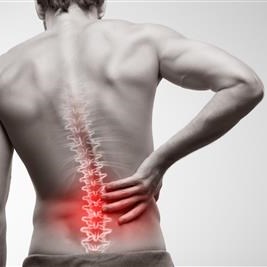
-
Pelvic Floor Dysfunction – Improves coordination between the diaphragm and pelvic floor.
-
Core Weakness – Helps activate deep core muscles (TVA, multifidus, obliques).
-
Lower Back Tension – Reduces compensatory patterns that cause tight QLs and hip flexors.
-
Chronic Stress & Fatigue – Encourages full oxygen exchange and nervous system regulation.
Train Your Breath, Train Your Body
Breathing correctly isn’t just about relaxation—it’s about optimizing strength, stability, and function. Incorporate this technique into your daily routine, whether you’re at rest, working out, or engaging in pelvic floor training.
Breathe better, move better, feel better.
|

|
About the Author Stephanie Florin, LMT is a board-certified massage therapist and bodyworker, in Fort Wayne, Indiana, specializing in advanced medical massage therapy, with a focus on the importance of the form and function of diaphragmic breathing on the overall state of health. Some of her favorite lecturers she has had the privilege to learn from include Dr. Mary Massery, PT, DPT, DSc and Debra Dent, BPT, Dip Manip PT, OSC, FCAMPT who has considerably shaped the way she works with clients.
To read more on her bio, click HERE to visit VLmassage.com/staff.
To book with her at the Leo, Indiana office, click HERE to visit her calendar and schedule your appointment.
|